Eurasian Transit Lines Are Remaking Regional Politics—and Demand New Rules
- Andrej Botka
- Jun 4
- 2 min read

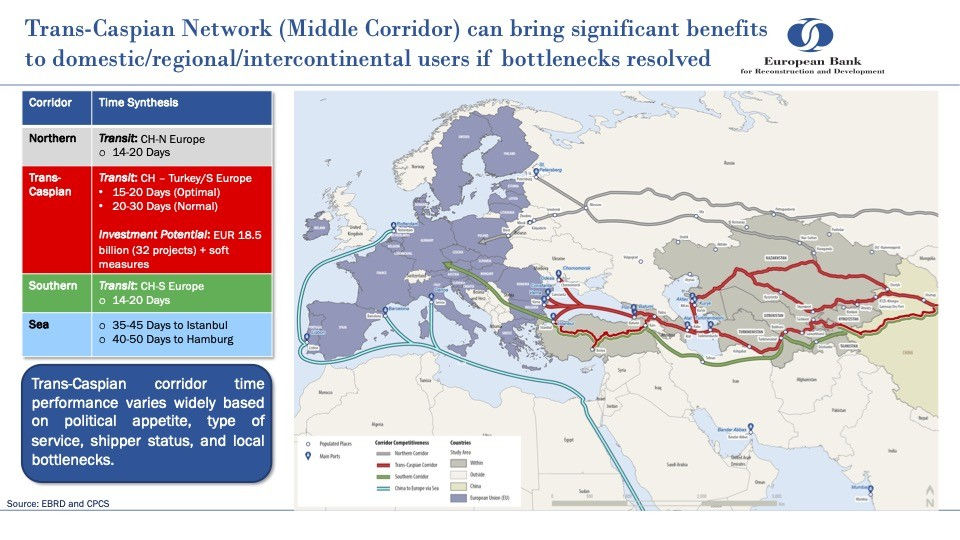
Trade arteries crisscrossing the continent are changing how states think about security and growth. Planners and diplomats should start treating corridors as living networks—where shared standards and joint management matter as much as who controls territory.
Rail, road and sea links that reconnect Europe and Asia are multiplying. Some routes run north-south, others cut through the southern flank to the Caucasus and beyond. These pathways are not merely commercial projects; they are becoming instruments of statecraft that can either calm or inflame tensions depending on how they’re governed.
History helps explain the shift. For decades, fixed borders and inherited infrastructure dictated movement. Today, new investments—from private firms and national programs—are remapping where goods and people travel. That means the actors lining up at terminals and customs booths can have more influence than distant ministries in capital cities.
Success hinges on cooperation, not dominance. When neighboring states agree on inspection procedures, rolling stock standards and shared logistics hubs, transit times fall and traffic grows. A transport economist who has studied the region recently told colleagues that coordinated rules can reduce delays by roughly one-third on key stretches. Conversely, when routes become tools of exclusion, traffic diverts to longer, costlier alternatives and smaller players lose out.
There are real hazards. Corridors that depend on a single link or a single state are vulnerable to political blows, security incidents and maintenance shortfalls. Environmental and social costs can also rise if projects ignore local communities. To keep networks reliable, governments should invest in redundancy, transparent contracting and dispute-resolution forums.
Policymakers should stop seeing transit as a zero-sum contest. Building durable connections will require shared technical norms, dispute mechanisms and a willingness to accommodate competing interests. In practice, that means more negotiations at the regional level and fewer unilateral moves that close routes instead of keeping them open.


Comments