Georgia’s New Energy Pact With Azerbaijan Raises Questions About Long-Term Supply
- Andrej Botka
- Jun 4
- 2 min read

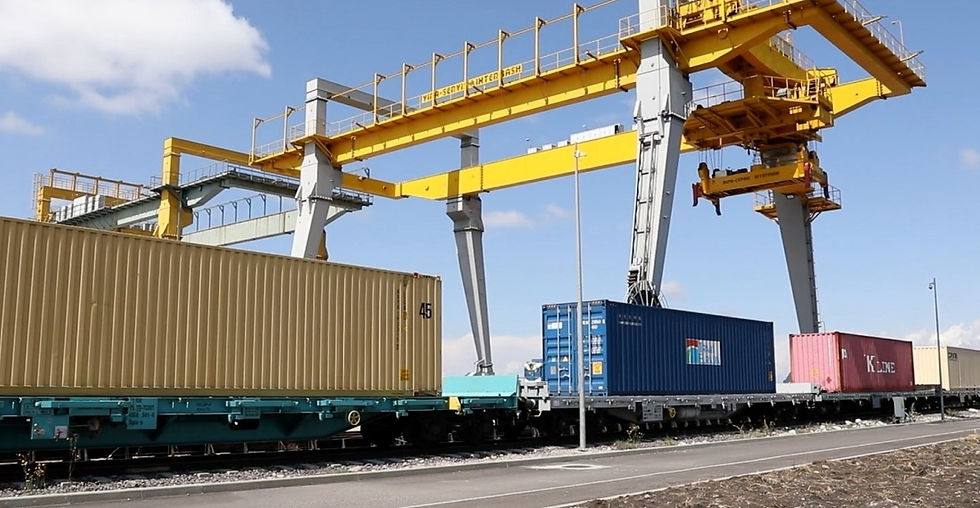
Georgia’s recent agreements with Azerbaijan, signed after a May 18 meeting in Baku between Prime Minister Irakli Kobakhidze and President Ilham Aliyev, have sparked debate over whether the country is exchanging energy autonomy for a larger role as a transit corridor. Tbilisi announced a two-decade framework for electricity transit and supply alongside a 20-year extension of a gas purchase arrangement dating back to 2003. The government also said daily passenger trains between Tbilisi and Baku will resume and that an additional stretch of the Baku-Tbilisi-Kars railway will become fully usable — but full texts of the pacts have not been released, drawing criticism over secrecy and strategic oversight.
Officials cast the moves as efforts to cement Georgia’s place in regional trade routes linking the Caspian basin and Europe, arguing the deals secure transit income and geopolitical relevance as new transport corridors emerge. Yet the energy specifics are provoking alarm among analysts and consumer advocates who point out that the agreements may deepen reliance on outside suppliers. While authorities framed the gas deal as safeguarding household deliveries, independent observers say many important operational details remain opaque and could disadvantage Georgia in the longer run.
The country’s recent import pattern has intensified those worries. In 2025, purchases from Azerbaijan slipped by roughly one-sixteenth, while supplies from Russia climbed by nearly one-quarter. Russia’s state energy firm reported it delivered about two-fifths more gas to Georgia last year than in 2024, even though those volumes cost Georgian buyers significantly more. Energy specialists warn that these shifts are not just market blips: they could reflect structural rerouting of pipeline capacity toward Europe and a corresponding squeeze on what’s available for domestic consumption.
In a conversation with this reporter, economist Roman Gotsiridze, who headed the National Bank in a prior term, argued the new arrangement effectively reallocates Georgia’s share of capacity on the Baku-Tbilisi-Erzurum pipeline to Baku for years to come. He said Georgia may be left receiving supplies through older Soviet-era infrastructure, and that as demand grows the country could find it physically difficult to tap more Azerbaijani gas, leaving Russia as the practical alternative. Gotsiridze urged greater transparency and contingency planning to shield households from price shocks and supply interruptions.
Critics of the ruling Georgian Dream party and its patron, Bidzina Ivanishvili, interpret the moves as a deliberate calculation: win a meaningful place on trans-Caucasus trade routes while accepting more expensive Russian gas at home, a trade-off that damages consumers but preserves political stability. Government statements after the Baku visit emphasized transit and connectivity as central goals, reflecting a strategy that privileges geopolitical positioning over guaranteed, low-cost domestic energy.
Georgia is not acting in isolation. Neighboring Armenia has been reopening links that change regional traffic flows, and new corridor projects could sideline parts of Georgia’s transit role. Regional analysts say the country faces a classic short-term-versus-long-term choice: immediate gains from transit fees and restored rail services, or sustained investment in diversified energy sources and full public scrutiny of international contracts. One independent energy security analyst told this newspaper that without clear contract texts and a public debate, Georgian households and businesses risk higher bills and a fragile supply outlook down the road.


Comments