Kazakhstan, EU Ink Major Deals to Bolster Trans‑Caspian Corridor and Energy Links
- Andrej Botka
- Jun 25
- 2 min read

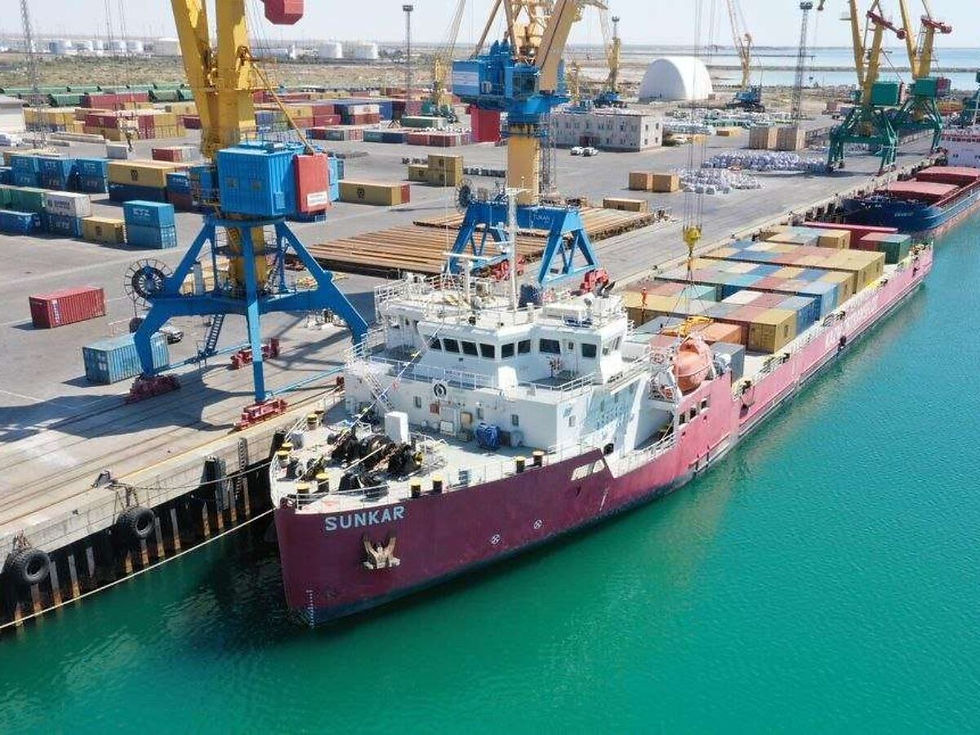
Kazakh President Kassym‑Jomart Tokayev wrapped up a visit to Brussels with agreements and memorandums that officials value at more than $12 billion, centered on strengthening the Trans‑Caspian transport route and expanding energy and raw‑materials cooperation.
In the highest‑profile transaction, Kazakhstan agreed to buy 50 Airbus airliners in a deal worth about €7.1 billion, part of a package of commercial and investment commitments announced during talks tied to the EU’s Global Gateway initiative. Delegations also discussed infrastructure and supply‑chain projects aimed at routing Central Asian trade toward ports on the Caspian Sea and into European markets.
Tokayev met with senior EU figures, including the trade and economic security commissioner, the bloc’s envoy for Central Asia and a vice president of the European Investment Bank. A joint communiqué issued after the meetings singled out the Trans‑Caspian International Transport Route as a priority and outlined plans for cooperation on critical materials, battery supply chains and developing green hydrogen projects between Kazakhstan and EU partners.
Energy discussions featured prominently. Brussels made clear it is looking for partners to cut dependence on Russian fuels, and officials reportedly explored whether Kazakhstan could take part in a long‑studied trans‑Caspian pipeline. Recent state announcements about sizable hydrocarbon finds on the Ustyurt Plateau renewed interest in alternate export corridors; for now, most Kazakh crude still moves westward via Russian networks. The EU also highlighted Kazakhstan’s current exports of oil and uranium and signaled interest in deeper collaboration on renewables and civilian nuclear technology.
Separately, a U.S.‑backed investment consortium called Orion Critical Mineral Consortium said it is seeking about $20 billion to seed projects across Asia aimed at diversifying supplies of copper, lithium and rare earths. The initiative — supported by the U.S. International Development Finance Corporation and an Abu Dhabi sovereign investor — names Kazakhstan and neighboring Uzbekistan as target regions. Project planners estimate roughly $2.4 trillion will be needed over the next 25 years to build out global critical‑minerals capacity; Orion’s initial fund target would be only about one of every 120 dollars of that long‑range requirement.
Local observers say the Brussels visit could translate into tangible work at Kazakh ports such as Aktau and along rail links feeding the so‑called Middle Corridor, but they caution progress will depend on financing, transit agreements with Caspian neighbors and environmental reviews. “If the money and permits line up, the route can steadily take more cargo off the Russian passages,” said an Almaty‑based logistics analyst who asked not to be named. Energy experts warn, however, that shifting export patterns takes years and hinges on pipeline economics and geopolitics as much as on resource volumes.
For consumers and businesses in Europe and Central Asia, the deals signal a political push to broaden trade routes and raw‑material suppliers. Whether the announcements produce quick gains or only gradual change will depend on follow‑through by investors, technical studies and new transit infrastructure on both sides of the Caspian.


Comments