Kazakhstan Parties Brace For A Week That Could Reshape Domestic Politics
- Andrej Botka
- Jun 11
- 2 min read

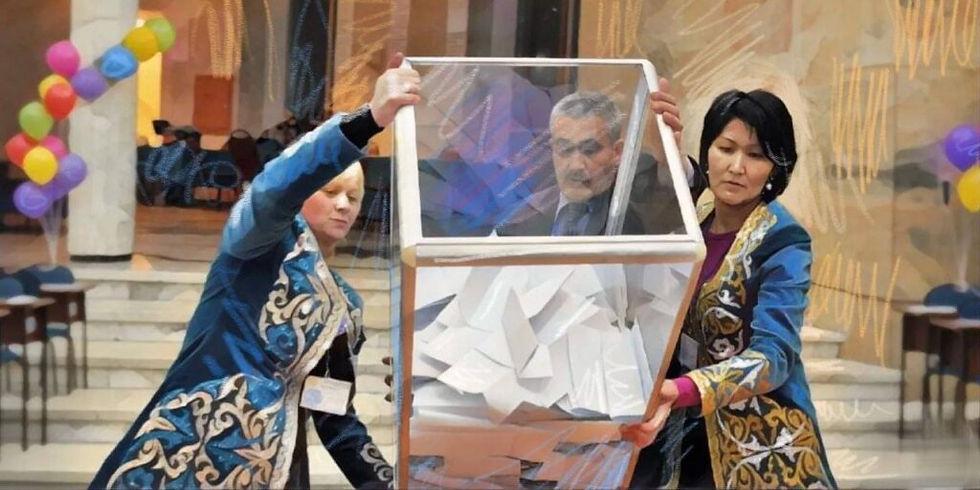
A cluster of party congresses, candidate filings and behind-the-scenes negotiations this week will test the strength of the ruling party and force smaller groups to define their role for ordinary voters.
Party leaders in Kazakhstan entered a week of intense activity Monday, as the dominant party prepares to finalize its candidate lists and opposition and pro-business parties hold meetings to decide whether to press for alliances or go it alone. Officials and activists say decisions made now will set the tone for the next parliamentary cycle and could prompt shifts in local budgets and policy priorities that affect residents across regions.
For residents in provincial towns, the moves in Astana and Almaty are not abstract. Small-business owners, teachers and municipal workers told reporters they are watching for promises on pensions, infrastructure and tax breaks. “People want to know what changes they'll see in the next year, not just slogans,” said a shop owner in Karaganda. Analysts warn that if parties fail to present clear, concrete plans, voter engagement could fall further.
Political observers point to a slow, steady push toward limited pluralism: the ruling party still dominates institutions, but several registered parties are seeking to expand their footprint by targeting urban voters and younger cohorts. A political analyst at a local think tank said the week’s outcomes will reveal whether these parties can translate street-level grievances into organized electoral strength, or whether they will remain on the margins.
Independent polls and focus groups suggest only a minority of citizens express deep attachment to any single party; roughly one in three voters says party loyalty would determine their ballot choice, while others prioritize candidate competence and local issues. That fluidity gives smaller parties an opening to make gains if they can articulate believable policy offers and show they can govern at the regional level.
Expect announcements on candidate lists by week's end and early signs of coalition bargaining thereafter. For now, party halls in the capital are crowded with advisers, regional leaders and activists, all jockeying to influence decisions that could affect everyday life in Kazakhstan’s towns and cities for years to come.


Comments