Kazakhstan’s Accession to Pax Silica Sparks New Interest From Overseas Investors
- Andrej Botka
- 5 days ago
- 2 min read

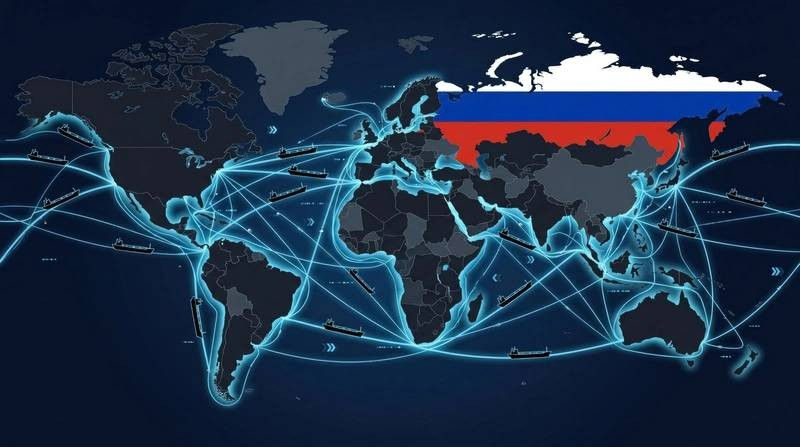
Kazakh Move Could Bring Clearer Rules for Mineral Trade and Fresh Capital for Mining and Manufacturing
Kazakhstan formally joined Pax Silica this week, a step that officials and industry watchers say should make the country more attractive to foreign backers of mineral extraction and downstream industries. The pact, designed to standardize trade practices for silica-related commodities, introduces a set of compliance measures and dispute-resolution procedures that investors often seek before committing funds overseas.
The immediate impact is twofold: lenders and manufacturers get a firmer sense of legal predictability, and Kazakhstan signals its intent to broaden the investor base beyond traditional energy partners. Government spokespeople describe the accession as part of a wider push to upgrade regulatory frameworks, streamline permitting, and open the door to technology transfers that could support local value-added production.
Silica is central to a range of industrial uses, from glassmaking to electronics and solar technology, and stable supplies are increasingly prized by international firms. Analysts estimate that roughly one-third of early-stage project inquiries into Kazakh mineral assets now come from companies in Europe and East Asia, a shift from the previous reliance on a narrower group of regional investors. For a country seeking to lessen dependence on oil revenues, that diversification could be meaningful — provided new rules are enforced.
Still, experts caution that signing an agreement is not the same as changing on-the-ground practice. A policy analyst at a Central Asian think tank said implementation will determine whether deals translate into concrete investment, noting risks such as limited transport links, uneven local governance, and potential community opposition to new mines. Lenders, she added, will watch for evidence of consistent inspections, transparent tendering and clear environmental safeguards before financing large projects.
In the near term, industry groups expect a flurry of memorandums and feasibility studies; in the longer view, foreign direct investment will hinge on follow-through. If Kazakhstan can convert accession into tangible procedural reforms, a modest but steady increase in foreign-led projects — perhaps one in five exploratory ventures turning into active developments within a year — is plausible. Otherwise, accession may remain a diplomatic signal with limited economic effect.


Comments