Kazakhstan Seeks U.S. Help To Modernize Irrigation, Cut Water Losses
- Andrej Botka
- Jun 4
- 2 min read

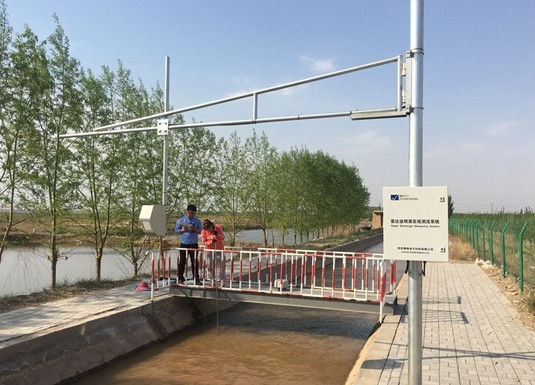
Kazakhstan has opened talks with a U.S. federal agency to bring advanced water-monitoring tools and training to its irrigation networks, officials said Friday.
Representatives from Kazvodhoz, the national water-management body, met recently with staff from the U.S. Bureau of Reclamation in discussions arranged by the U.S. Embassy in Astana, according to local reporting and statements from Kazakh authorities. The talks emphasized rolling out electronic flow meters and remote-monitoring equipment across canal systems and deploying new methods to curb seepage and evaporation. U.S. personnel also offered to help design training courses for Kazvodhoz employees; follow-up meetings are expected to set program details.
The push comes as international development estimates warn Kazakhstan could face a shortfall of up to one-half of its water needs for business and household use by 2040. That projection has prompted officials to look beyond conventional fixes and toward technology that can track and manage scarce water in agriculture, the sector that consumes the bulk of the country's supply.
The Bureau of Reclamation, founded in 1902 to oversee water projects in the American West, brings decades of experience in large-scale irrigation infrastructure and water accounting. Its portfolio includes some of the United States' best-known dams and reservoirs, and agency staff told Kazakh counterparts they can share technical know-how and lessons learned from those projects.
Local farmers and water managers say modern meters and telemetry could change how irrigation is scheduled and paid for, potentially stretching supplies during dry years. But they caution the hardware alone won't solve problems: the systems need steady funding, skilled technicians and institutional reforms to turn data into better water use.
Officials said pilot installations and staff exchanges are likely next steps as both sides draft a program framework. If the effort moves forward, it could reshape irrigation practice in parts of Kazakhstan and ease pressure on rivers and reservoirs that communities and farms depend on.


Comments