Kurchatov Rebuilds: Former Nuclear Town Shifts Toward Local-Led Recovery
- Andrej Botka
- 5 days ago
- 2 min read

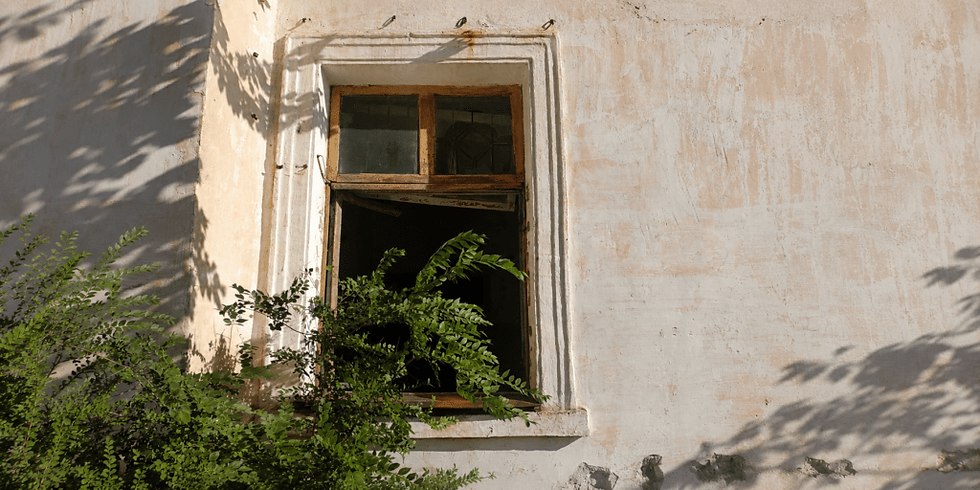
Once a closed settlement serving the nearby Soviet test site, Kurchatov is remaking itself into a modest center for industry, health services and tourism, even as memories and worries about past atomic experiments remain. Local officials and community organizers say a mix of state funding, foreign grants and small private investment has created jobs and drawn visitors to a museum and guided tours of the surrounding steppe — but they also caution that long-term health and environmental questions are unresolved.
The town, founded to house workers at the Semipalatinsk test area, saw its fortunes tied to Cold War-era detonations that ran from 1949 until the late 1980s. After the site closed, many residents left; those who stayed faced deteriorating infrastructure and limited opportunity. In recent years, however, municipal leaders have pushed for diversification: a regional clinic expanded services, a local cooperative opened a light-manufacturing workshop, and a small solar array supplies power to public buildings. The government has provided seed money, and several non-governmental groups have contributed to monitoring and clean-up efforts.
Health providers and independent monitors continue to track radiation and disease trends. “We’ve improved screening and record-keeping, but there are still pockets where additional testing is needed,” said Dr. Elmira Sadykova, director of the town’s medical center. She estimated that about one-quarter of patients visiting for chronic complaints cite conditions they believe stem from exposures decades ago. Officials maintain that routine measurements in public spaces show radioactivity at levels comparable to many rural regions, yet they admit localized hotspots persist on private lands and at former test facilities.
Tourism has become a surprising income source. A small museum recounting the town’s nuclear-era role draws academics and curious travelers, and guided drives to the former test perimeter sell out on weekends. Local entrepreneur Aidos Tulegenov runs a guesthouse and said about one-third of his bookings now come from international visitors. “People come to understand history and to see how we live now,” he said. “That interest helps families earn extra cash and keeps the town alive.”
Still, the recovery has limits. Young people continue to depart for larger cities in search of higher wages, and experts warn that intermittent funding could stall progress. “Short-term grants help repair a clinic or roof a school, but sustainable change needs steady investment in jobs and health services,” said a program manager at an international aid group who asked not to be named. She suggested linking vocational training to regional industries, such as renewable energy and food processing, to keep more residents employed locally.
Kurchatov’s trajectory underscores a larger dilemma facing communities near former test sites: balancing economic renewal with long-term monitoring and care. Town officials are drafting proposals for expanded environmental surveys and a public health registry, hoping to secure multi-year financing from national authorities and donors. Residents say they want a future that acknowledges the past but focuses on making a living where they live. “We’re here, we’ll stay,” said Mayor Nurlan Beketov. “But we need the tools to make this place healthy and prosperous for the next generation.”


Comments