Pashinyan Win Reopens Trade Arteries; Kazakhstan Sees New Transit Chances
- Andrej Botka
- Jun 11
- 3 min read

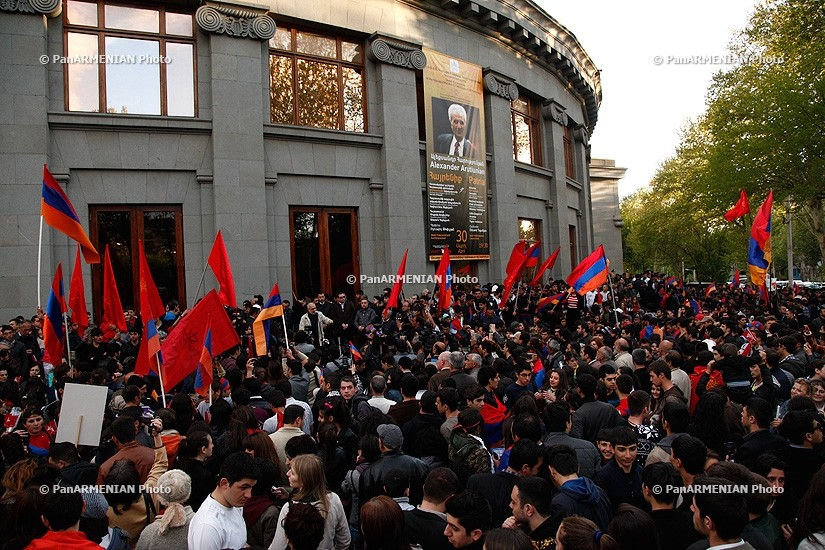
Armenia’s ruling party secured a parliamentary win that could widen routes across the South Caucasus, offering Kazakhstan and other Central Asian states an alternative corridor to Turkey and Europe. President Kassym-Jomart Tokayev publicly congratulated Prime Minister Nikol Pashinyan on June 8 after Armenia’s Central Electoral Commission released preliminary totals from all 2,005 polling places, assigning Civil Contract 727,160 votes — roughly one-half of ballots cast — with turnout at about three-fifths of registered voters.
The result positions Pashinyan to lead another cabinet but leaves him short of the two-thirds parliamentary majority needed to unilaterally alter the constitution, a constraint that matters for any final peace deal with Azerbaijan. The bloc led by businessman Samvel Karapetyan captured nearly one-quarter of the vote, and the alliance associated with former president Robert Kocharyan took about one-tenth. Those figures mean the new government will still face limits in pushing through sweeping legal changes without broader support or a public referendum.
For Kazakhstan, the election’s significance is practical as much as political. Astana and Yerevan upgraded their relationship to a strategic partnership last November, and officials discussed expanding commerce, logistics, agriculture and digital ties. If Armenia and Azerbaijan normalize transport links fully, the South Caucasus could add another artery for Kazakh freight crossing the Caspian, lessening reliance on the small number of existing crossings, terminals and rail connections that now shape export routes to Turkey and beyond. Baku eased transit restrictions to Armenia in October 2025, and one early post-lift shipment of Kazakh grain moved through Azerbaijani territory to Armenia — the first such commercial consignment since Soviet-era transit stopped.
Logistics experts say an active Armenia-Azerbaijan passage would reduce bottlenecks that make cargo movement vulnerable to delays or political pressure. A consultant in Almaty who advises freight operators noted that adding a western passage via Armenia would allow shippers to route goods around the busiest trans-Caspian gateways and ports, lowering transit risk. Private firms in Kazakhstan already use the Caspian and South Caucasus link to reach Turkish and European markets, but their options would multiply if Yerevan and Baku restore routine cross-border traffic and rail connections.
Beyond transport math, the vote was a test of how far Moscow can shape politics in Yerevan. International monitors reported that the ballot offered Armenian voters a clear choice, while also pointing to outside pressure — from trade measures to security threats — aimed at influencing the campaign, and to uneven conditions on the ground for contestants. Two of the major opposition groupings with closer ties to Moscow won a combined share approaching one-third. Armenia’s recent foreign-policy shifts — including a pause in participation in the Russia-led Collective Security Treaty Organization in early 2024 and a parliamentary move to begin seeking European Union accession in 2025 — have strained relations with Moscow.
Russia has signaled displeasure through economic channels. At an economic union summit in Astana on May 29, members said they would weigh suspending Armenia over its westward trajectory. Russia accounted for about one-third of Armenia’s foreign trade last year and supplied roughly four-fifths of its natural gas, figures that underline Yerevan’s economic exposure even as it pivots diplomatically. Tokayev’s outreach to Pashinyan after the vote suggests Kazakhstan still values maintaining direct links with Armenia despite friction between Yerevan and Moscow.
For business leaders in Central Asia, the immediate question is operational: how quickly could new or restored crossings be certified, and what infrastructure investments would be required to handle diverted freight? Regional analysts expect negotiations over transit standards, customs cooperation and security guarantees to accelerate if Yerevan moves to deepen ties with Baku. Observers in Astana say they will be watching whether the election’s outcome produces a durable peace framework — a development that would bring measurable benefits for overland trade across the Caspian and for Kazakhstan’s strategy to reduce single-route exposure.


Comments