Serbia’s Nuclear Choice Tests Ties With Russia And Europe
- Andrej Botka
- May 21
- 2 min read

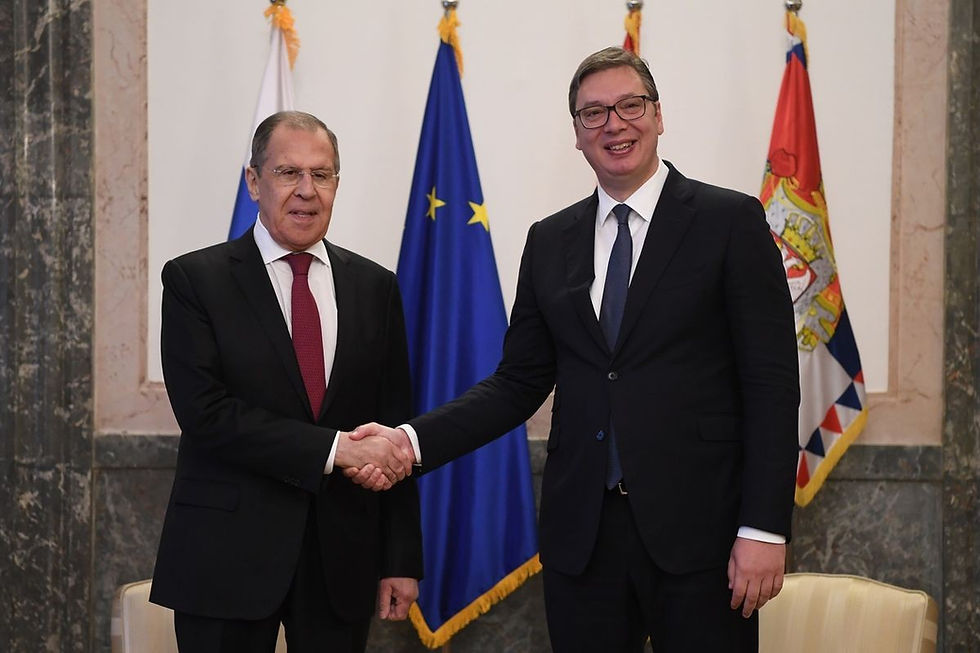
Serbia must weigh whether to partner with a Russian state builder or align with Western-backed suppliers as it seeks large-scale low-carbon power.
Serbia’s leaders are confronting a decision that could reshape the country’s international alignments: whether to let Russia’s state nuclear company build the country’s inaugural reactor. The government lifted a decades-old ban on atomic power in late 2024, and with electricity demand rising, officials say a new plant could end chronic dependence on imported fuels and even allow Serbia to sell surplus power. But Moscow’s offering comes at a moment when Russian firms face growing financial and legal constraints, turning what might look like an energy choice into a geopolitical crossroads.
The numbers underline the policy pressure. Today roughly seven-tenths of Serbia’s electricity comes from coal and hydropower, with coal supplying about two-fifths of generation. Those sources will be difficult to sustain if Belgrade wants to make progress toward European Union membership, which calls for aggressive coal phaseouts. Nuclear power presents a way to replace fossil baseload, and regional transmission projects raise the prospect that Serbia could export power across the Balkans if it secures reliable, long-term output.
Rosatom has positioned itself aggressively: its chief visited Belgrade in February and presented Russian technology and financing as a turnkey route to rapid deployment. But Western and Asian groups are also pitching solutions. French, South Korean, Chinese and Slovenian firms have all put forward plans or preliminary studies; some Western-aligned companies can plug into EU-compatible supply chains and offer access to European financing. An EU energy consultant I spoke with said Serbia will pay close attention to which packages come with acceptable loan terms and regulatory alignment, and that the structure of any deal will signal Belgrade’s preferred partner for years to come.
Sanctions and project experience complicate Moscow’s pitch. Recent Western measures have restricted some Russian entities’ access to capital and materials; London expanded its Russia-related sanctions earlier this year, and Washington has set limits on future imports of enriched uranium from Russia. That has already slowed Rosatom projects abroad, where delivery schedules in Central Asia and Central Europe have slipped amid funding and technical scrutinies. Independent reviewers and regional watchdogs have also raised questions about construction standards on some Russian-built units, an issue that Serbian regulators can’t ignore when evaluating long-term safety and liability.
At stake is more than a power station. Serbia’s national oil company, in which Russian energy groups hold major stakes, is under pressure to change hands to avoid secondary sanctions — a process unfolding alongside the nuclear talks. The outcome of those corporate negotiations could influence which vendors other countries view as safe partners. For Belgrade, the calculus will hinge on trade-offs: cheaper, state-backed Russian finance versus integration with European systems and lenders that could smooth the path toward accession. Energy analysts say Serbia hopes to retain strategic flexibility, but any contract will effectively nudge its foreign policy direction for decades.


Comments