Tashkent Secures More Than $3.5 Billion in Chinese Deals to Rework City Infrastructure
- Andrej Botka
- Jun 4
- 3 min read

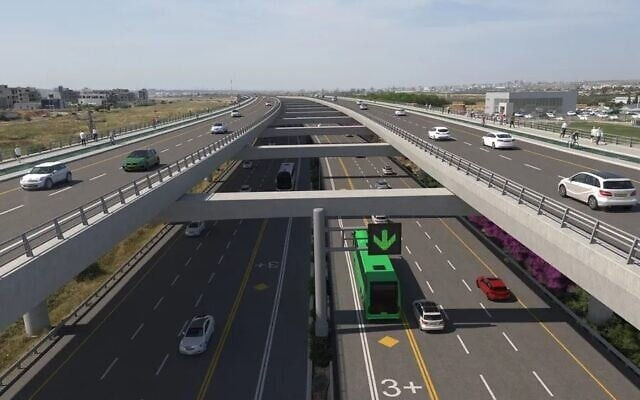
Tashkent’s municipal leaders say the agreements, signed at a China forum in Xi’an, will fund transport upgrades, housing renewal and industrial growth without tapping the national budget.
TASHKENT — Tashkent’s city government announced Monday that it has concluded contracts worth roughly $3.35 billion in planned investments and about $156 million in export arrangements with Chinese partners at the third Uzbekistan‑China Interregional Forum in Xi’an. City officials described the deals as targeted at overhauling urban transport, improving public spaces and boosting local industrial capacity, while separate export pacts cover jewelry, textile and mineral shipments.
The timing underscores Beijing’s broader commercial presence in Uzbekistan. Delegates at the Xi’an meeting noted bilateral commerce last year totaled about $18 billion and that Chinese direct investment in Uzbekistan sits near $17 billion, figures that reflect a shift from purely trade and construction ties to deeper cooperation on roads, energy, manufacturing and city development. The forum also emphasized building direct links between Uzbekistan’s regions and Chinese provinces rather than relying only on central government accords.
Major components of the Tashkent package include a near $1 billion program to install bus rapid transit lines, new overpasses and road works, another $1 billion tranche aimed at transport and social amenities, a $500 million housing modernization effort in renovation districts and $400 million for stormwater, irrigation and drainage systems. Officials said funding will be arranged through contracts that combine design, build and financing — a turnkey construction-and-lending format — with Chinese financiers expected to provide capital so the deals don’t draw directly on Uzbekistan’s sovereign budget. But repayment is to rely on future city revenues, leaving municipal balance sheets exposed if projected income falls short.
The city also announced about $130 million in commitments for the Yangi Avlod special industrial zone in Yangihayot district, where investors are expected to add factories, logistics and digital management systems on roughly 765 hectares set aside for industry, storage and administrative services. Several Chinese firms have signed letters of intent to establish production lines for decorative stone, ceramics and automated waste‑sorting machines, and to support high‑tech assembly and smart-factory controls. An urban finance specialist I spoke with said these projects could accelerate Tashkent’s manufacturing base but cautioned that municipal planners must lock in reliable revenue streams and maintenance budgets to avoid long-term liabilities.
In separate meetings, Mayor Shavkat Umurzakov held talks with executives from China Railway Construction Corporation about large-scale urban renovation schemes, including plans for a nearly 100‑kilometer ring toll road and a paid highway connecting central Tashkent with a proposed international airport. They also discussed joint work on schools, daycare centers and hospitals using modern environmental and construction standards; company representatives told city officials they would review technical proposals and explore pilot projects. Export deals reported from the forum included multiple contracts for jewelry exports and supply agreements for cotton yarn and silver concentrate.
Taken together, city leaders say the package could transform Tashkent’s mobility and industrial footprint without immediate calls on national coffers. But independent analysts warn that outsourcing financing shifts risk to the local level: if traffic tolls, land sales or other projected receipts don’t materialize, municipal budgets could be strained for years. For now, officials are pitching the plan as a way to move urgent projects forward quickly, while investors and planners line up detailed feasibility work before construction starts.


Comments