Turkmen Authorities Reimpose Forced Cotton Picking, Report Finds
- Andrej Botka
- May 21
- 2 min read

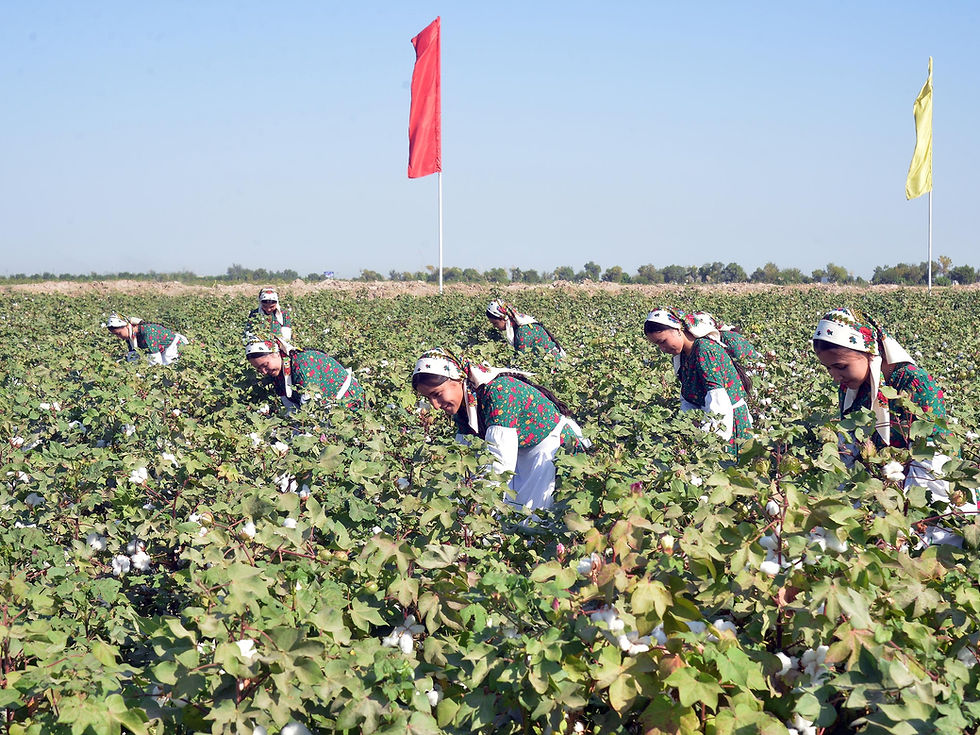
State agents once again mobilized students, civil servants and conscripts for the annual harvest, watchdogs say
A coalition of rights groups says Turkmenistan’s authorities revived a Soviet-style system last year that compelled wide swaths of the population to gather the cotton crop, reversing modest steps taken earlier to curb state-organized coercion. The document, produced by several regional and international monitors, details how public-sector staff and conscripted service members were pressed into fieldwork during the 2025 harvest, and warns that the practice poses risks for buyers in global textile chains.
According to investigators, those pulled from hospitals, schools and municipal services were given heavy daily targets and faced penalties if they failed to reach them. Many workers could avoid the labor by hiring substitutes, but replacement fees were steep and often based on an employee’s rank or salary. Local monitors reported wide variation in how much workers were charged and said some small-business owners were pressured to cover costs for hired pickers.
Field conditions compounded the strain. Rights teams documented that quotas were difficult to achieve given how physically demanding handpicking is and that temperatures frequently climbed past the 100-degree mark (around 38 C). People unable to meet harvest expectations encountered fines and other sanctions, the investigators found, while officials continued to organize mass mobilization drives under the banner of a national harvest campaign.
The report also paints a picture of a faltering rural sector: growers lacked machinery, fertilizer and reliable irrigation, and many said the expense of preparing fields outstripped the revenue from the cotton they produced. That shortfall pushed farm families into repeated borrowing, with unpaid balances rolled into the next year and deepening the cycle of indebtedness, the monitors wrote. The findings were compiled by a mix of local news outlets, human rights groups and anti-slavery campaigners working together.
Independent analysts say the renewed use of coerced labor could have knock-on effects beyond Turkmenistan. A labor-policy researcher contacted for this story warned that companies sourcing raw cotton may face mounting legal and reputational scrutiny if supply lines remain linked to compelled work, and that consumers in importing countries could pressure brands to prove their cotton is not tainted by such practices.
State media in Ashgabat ran images promoting the harvest effort, showing people at organized kickoff events. But rights investigators say those staged scenes mask a return to enforced labor and growing hardship for rural communities, underscoring how policy choices in the capital continue to shape the livelihoods of ordinary Turkmen.


Comments