Yerevan Challenges Moscow’s Import Curbs, Tests EAEU’s Authority
- Andrej Botka
- Jun 18
- 2 min read

Armenia has asked the Eurasian Economic Commission to overturn broad Russian restrictions on its agricultural exports, setting up a legal and political clash that could erode trust in the Russia-led customs bloc.
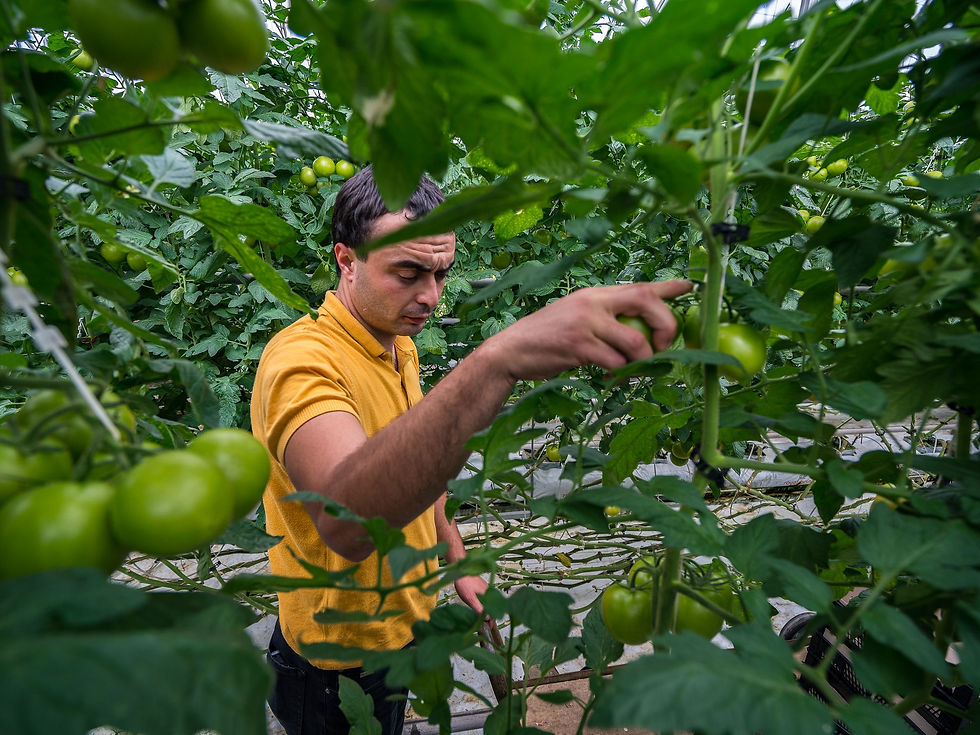
Yerevan lodged the complaint after Moscow’s agricultural watchdog banned a wide assortment of Armenian produce from entering Russian markets, citing failures to meet sanitary and traceability rules. The measures affect fresh food, seeds, ornamental plants and fertilizer shipments, and Russian officials say the prohibitions will stand until stricter controls are in place.
Armenian officials and many domestic analysts view the moves as retaliation for Prime Minister Nikol Pashinyan’s recent pivot toward closer ties with the United States and European institutions. Voters in the June 7 election delivered clear backing for Pashinyan’s course, and ministers in Yerevan argue Moscow’s clampdown amounts to political pressure rather than a technical trade dispute. Armenia’s economics minister told lawmakers the government is following the bloc’s dispute procedures as it seeks a reversal.
The appeal places the commission in a bind: it is supposed to uphold rules that guarantee free circulation among member states, yet Russia’s economic and political weight within the union makes an adverse finding against the Kremlin unlikely. A Brussels-based trade specialist I consulted said the regulator now faces a choice between enforcing the treaty obligations it administers or effectively siding with the largest member and risking the commission’s impartiality.
Tensions inside the union are not limited to Armenia. Other members have, at times, complained about Moscow’s unilateral steps that affect access to Russian markets, and analysts warn that repeated interventions could encourage more formal disagreements. Russian officials have also publicly suggested that Armenia cannot pursue deeper engagement with the EU without paying a price for its EAEU membership.
For now, Russian markets remain a major outlet for Armenian exporters, so the ban carries immediate economic consequences for farmers and small processors. The commission could push for technical inspections and harmonized rules as a remedy, but any move that appears to accommodate Moscow could weaken the bloc’s credibility — and one that offends Russia risks real diplomatic and commercial fallout for Yerevan.


Comments