China Likely To Bring Its “Two-Plus-Two” Diplomacy To Central Asia

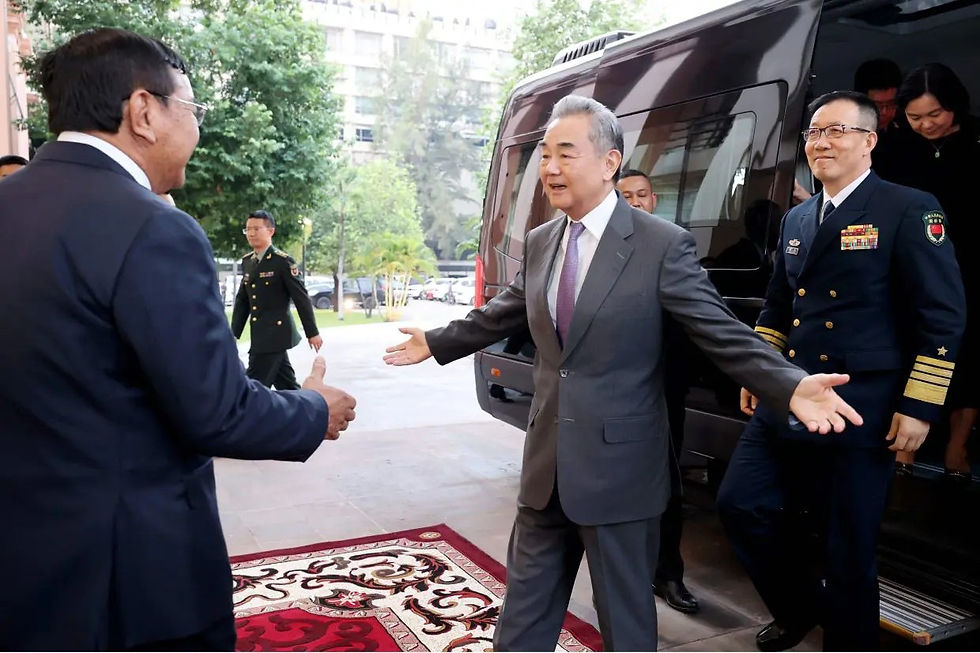
Beijing is expected to combine its foreign-policy and security channels with economic clout to deepen ties with the five Central Asian states, a move that could reshape regional alignments.
China looks set to push a coordinated diplomacy of foreign and defense outreach into Central Asia, pairing ministerial visits with investment pledges and security cooperation. With Moscow occupied by the war in Ukraine and Washington still patching together a post-Afghan strategy, Beijing sees an opening to offer capitals from Astana to Ashgabat a package of stability and cash. Officials in the region may welcome the resources, but they also face the trade-off of greater reliance on a single partner.
Beijing already uses combined diplomatic-security contacts in other bilateral relationships and within multilateral forums such as the Shanghai Cooperation Organization. Transplanting that model here would mean more joint statements, regularized meetings between ministers of foreign affairs and defense, and a bigger Chinese role in counterterrorism and border-security initiatives. At the same time, China’s Belt and Road financing remains the lever that makes such diplomacy persuasive.
Central Asian governments have reasons to engage. They need infrastructure, markets for energy and minerals, and help managing cross-border extremism. But elites and publics alike worry about political dependence and economic overreach. “We want investment and better security coordination, yet we must avoid becoming a client state,” said a former Kazakh diplomat, speaking on condition of anonymity to discuss sensitive deliberations. And many in the region still value Moscow’s security guarantees and are wary of visible Chinese troop deployments.
Security cooperation could stop short of bases. Expect more joint exercises, expanded intelligence-sharing, and equipment sales rather than permanent garrisons. Those options let China support stability while limiting the diplomatic blowback that a larger military footprint would provoke from Russia and from domestic audiences. “China prefers low-profile instruments — funding, training, and technology — over overt military footprints,” observed an Eurasia affairs analyst based in London.
The broader risk is fragmentation. If Beijing binds countries to commercial contracts tied to political conditions, it could drive some governments into uneasy dependence. But Central Asian leaders are not passive; they will likely play competing powers off one another to maximize gains. For Western policy-makers, the message is clear: sustained engagement that offers credible economic and security alternatives can keep room for maneuver in the region.
Beijing is likely to advance cautiously, testing bilateral 2+2-style arrangements where it can secure both contracts and cooperation. For the countries of Central Asia, the coming months may bring more diplomats and generals to their capitals — and with them hard choices about how to balance opportunity against autonomy.


Комментарии